How to Support Your Immune System in Fall: Vitamin C, Sleep, and Cold Prevention
As fall begins, many people start thinking about how to support their immune system and get sick less often. Vitamin C, vitamin D, zinc, and various vitamin complexes all come into play — the idea is to prepare the body in advance for cold and flu season.
And the idea itself makes sense: in the fall, it really is worth paying more attention to your immune system. But there is one important nuance — you cannot “stock up” on vitamins for several months ahead or suddenly “boost your immunity” in just a couple of weeks.
A much more effective approach is to make sure your body gets the nutrients it needs regularly, get enough sleep, eat a balanced diet, and reduce the risk of exposure to respiratory viruses.
Let’s look at the role of vitamin C for immune support, when supplements may be useful, and what else is worth doing during cold and flu season.
Vitamin C for immune support: why do you need it?
Vitamin C is one of the key nutrients required for normal immune system function.
It is involved in immune cell function, antioxidant protection, collagen synthesis, and many other processes. At the same time, the human body cannot produce vitamin C on its own, so it needs to be consumed regularly through food.
The main sources are vegetables, fruits, and berries. Bell peppers, citrus fruits, kiwi, broccoli, black currants, and other plant foods also help provide vitamin C on a daily basis.
But in real life, the diet is not always ideal. Some people eat too few fruits and vegetables, some often eat on the go, and in fall and winter many people have less variety in fresh foods.
In these cases, a vitamin C supplement can be a simple way to help maintain regular vitamin C intake.
Why is regular intake so important?
With vitamin C, the idea of “I’ll take a lot now and build up a reserve until December” does not work.
It is a water-soluble vitamin, which means it does not tend to accumulate in the body. That is why regular intake matters more than occasional high doses.
This is exactly why preparing for cold and flu season is not about taking a huge dose of vitamin C for a few days, but about making sure your body gets enough of this nutrient every day.
Research shows that regular vitamin C intake may shorten the duration of colds and reduce the severity of symptoms.
In other words, vitamin C is better viewed as part of everyday support for the body and as one element of a broader cold-prevention strategy.
Liposomal vitamin C: a convenient option for everyday use
If it is difficult to get enough vitamin C from food on a regular basis, supplements can help fill the gap.
One modern option is liposomal vitamin C. In this form, the vitamin is enclosed in a lipid-based shell, which protects it and allows it to be absorbed much more efficiently than other forms.
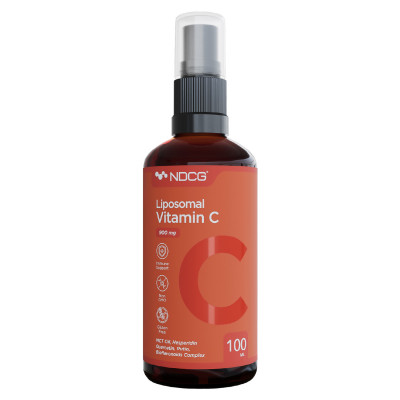
For example, Liposomal Vitamin C by NDCG is easy to incorporate into your daily fall routine, so you do not have to rely only on whether you managed to eat enough fruits, vegetables, and berries that day.
This can be especially relevant during periods of high workload, stress, irregular eating, or simply when your diet is not always as varied as you would like it to be.
At the same time, it is important to remember that the goal of vitamin C is not to completely prevent respiratory infections, but to help provide the body with a nutrient that is essential for normal immune system function.
That is why the goal is not to chase the highest possible dosage, but to focus on regular intake and a sensible approach.
How much vitamin C do you need per day?
The question “how much vitamin C should I take?” naturally comes up for many people who start using supplements.
For most adults, the daily requirement for vitamin C is about 75 mg for women and 90 mg for men. People who smoke need about 35 mg more per day, because smoking increases oxidative stress and vitamin C turnover.
During pregnancy, the recommended intake is about 85 mg per day, and during breastfeeding — about 120 mg per day.
At the same time, the principle “the more vitamin C, the stronger your immune system” does not work. For adults, the tolerable upper intake level for vitamin C is 2,000 mg per day. Higher doses, especially when taken regularly, may cause diarrhea, nausea, and other gastrointestinal discomfort.
So when choosing a supplement, it is better to focus not on the highest possible dosage, but on regular vitamin C intake and the recommended directions for use of the specific product.
Can you take vitamin C throughout the fall?
For most healthy people, vitamin C should be part of the diet all year round, not only in September, October, and November.
What changes is mainly how much attention we pay to it.
In summer, it is often easier to get enough vitamin C from berries, fruits, and vegetables. In the fall, the diet may become less varied, and with the start of the school year, the return to offices, and respiratory infection season, supporting the body becomes especially relevant.
That is why vitamin C can absolutely be part of a regular fall routine — through food or, when needed, through supplements.
What about vitamin D and zinc?
Vitamin C is not the only nutrient involved in normal immune system function.
Vitamin D and zinc also play important roles.
In the fall, vitamin D often gets more attention because there is less sunlight. It is also involved in immune function, but taking high doses “just in case” is not a good idea. Unlike vitamin C, vitamin D is fat-soluble and can accumulate in the body.
Zinc is also essential for immune cells. That is why combinations of vitamin C and zinc are common in immune-support formulas.
But the overall principle is the same: the body needs adequate amounts of essential nutrients, not the highest possible doses of everything at once.
Why are vitamins alone not enough?
What we commonly call a cold is usually caused by respiratory viruses. So prevention also depends on how often a person is exposed to these viruses and how well the body is able to recover. In the fall, it is especially important to ventilate indoor spaces regularly, practice good hand hygiene, avoid close contact with sick people when possible, eat a balanced diet, and get enough sleep.
Sleep deserves special attention here.
Chronic sleep deprivation affects immune system function. So consistently sleeping five hours a night, dealing with high stress, and carrying a heavy workload are unlikely to be fully compensated for even by the most carefully chosen vitamin routine.
Supplements work best as part of a healthy lifestyle, not as a replacement for it.
How can you support your immune system in the fall?
There is no need to try to “boost” your body in just a few weeks before colder weather arrives.
A better strategy is to build a simple routine: pay attention to your diet, get vitamin C and other essential nutrients regularly, sleep enough, stay physically active, ventilate indoor spaces more often, and follow standard measures for preventing respiratory infections.
It is also worth remembering seasonal flu vaccination. It does not protect against every respiratory virus, but it can help reduce the risk of influenza and severe illness.
And if your diet does not always provide enough vitamin C on a regular basis, Liposomal Vitamin C by NDCG can be a convenient addition to your daily nutrition during periods of increased demand on the

 Русский